
The allure of modern crochet coasters has captivated me lately. As I stitch away, I immerse myself in the world of color and texture, crafting pieces that breathe fresh life into my home decor. These chic crochet coasters not only add a cozy touch to my living space but also serve as functional protectors for my furniture. The beauty of this project lies in its versatility; they’re quick to make and perfect for using up stash yarn. You can customize these coasters to suit your decor style effortlessly! I love how they are beginner-friendly yet allow crafters to explore various stitch techniques and colors. Plus, they provide an instant gratification level that every crafter craves. With just a little time, you can create something both aesthetically pleasing and practical. The satisfaction of seeing them displayed on my table and knowing I made them is incredibly rewarding. Curious about how to get started making your own set of chic crochet coasters? Let’s dive into the delightful details of this project!
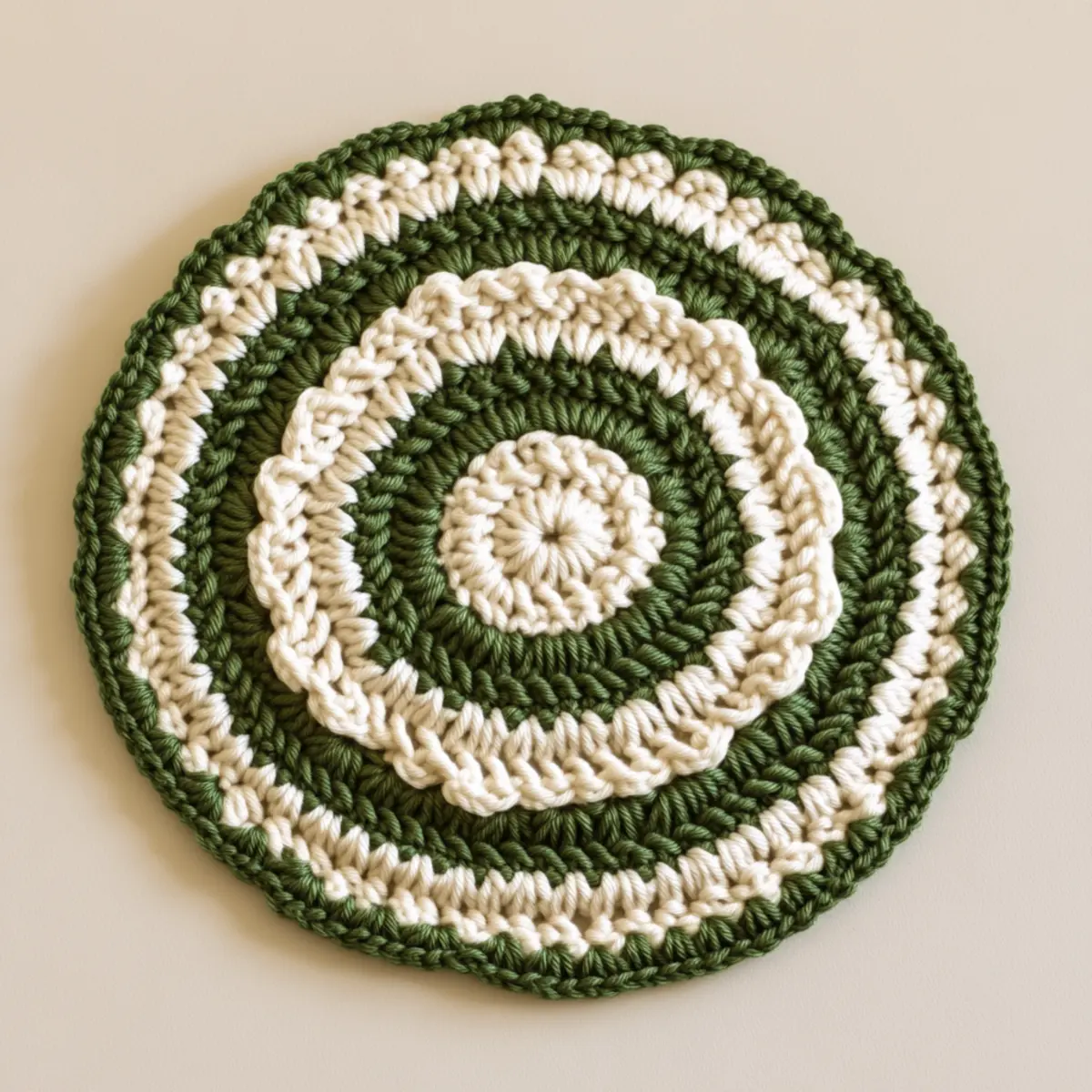
Crochet Coasters Materials & Tools
Yarn
- Worsted weight cotton yarn – Approximately 100-150 yards will be needed to create a set of two crochet coasters, providing durability and absorbency for their intended purpose.
Tools & Notions
- Crochet hook (4.0 mm or 5.0 mm) – Depending on your tension, this hook will help achieve a firm yet flexible fabric for your coasters.
- Stitch markers – Use these to track your rounds easily and maintain symmetry and consistency in size.
- Yarn needle – Essential for weaving in ends once your crochet coasters are completed, ensuring a polished finish.
Why Will You Love This Pattern?
Easy to follow, the chic crochet coasters are a fantastic project for both beginners and seasoned crocheters looking for quick satisfaction. Customizable, these coasters can be tailored to fit your unique home decor style, allowing you to choose colors or patterns that resonate with you. Versatile in their design, they can function beautifully in any setting—be it a rustic kitchen or a contemporary living room. Not to mention, they serve as a perfect stash-buster, giving you the chance to use leftover yarn from previous projects. You can read about more yarn stash ideas in my Yarn Stash Busting post! Plus, this pattern allows for creativity in stitch selection, inviting you to explore different textures. It’s an approachable way to practice crocheting with various stitches and techniques, making it an enjoyable crafting experience. Embellished with textures that catch the eye, these coasters can elevate your table settings—learn more about creating a chic look on a budget in my article on Decorating with Crochet.
Gauge & Sizing Notes for Crochet Coasters
Checking tension is essential in creating your crochet coasters to ensure uniformity in size and shape. The standard gauge measurement for this project is 4×4 inches (10×10 cm) using worsted weight cotton yarn and an appropriate hook size of 4.0 mm to 5.0 mm. Should your gauge differ from the specified, adjust your starting chain or the number of rounds to reach your desired dimensions. For example, if your swatch measures smaller, consider going up a hook size or adding additional rounds to your coasters. The final dimensions for each coaster should ideally be around 10-12 inches in diameter, making them functional for everyday use. This thoughtful approach allows you the flexibility to resize and customize your crochet coasters while ensuring they are both aesthetically pleasing and practical. Incorporating creativity in your color choices can also add a personal touch to your finished project, enriching your decor with delightful handmade pieces.
Step-by-Step Pattern for Crochet Coasters
Row 1: Start with a Magic Circle Begin by creating a magic circle. This will form the center of your crochet coasters, providing a tight starting point for your stitches. After forming the circle, chain 1 and create 6 single crochets (sc) into the center. Pull the tail to tighten (6 sc).
Row 2: Increase for a Larger Base In this round, work two single crochets in each stitch around. This will help expand the base of your coaster, creating a solid foundation. Make sure to place a stitch marker in the first stitch for counting later. You should have a total of 12 stitches at the end of this row (12 sc).
Row 3: Building Up the Rounds This round consists of 1 sc in the first stitch, followed by 2 sc in the next stitch. Repeat this pattern around to gradually increase the size. Remember to move your stitch marker up as you finish each round. You will have 18 stitches in total now (18 sc).
Row 4: Continue Expanding the Base For this round, work 1 sc in the first two stitches, then make 2 sc in the next stitch. Keep repeating this pattern all around to further grow the dimensions of your coaster. You should end up with 24 stitches (24 sc).
Row 5: Layering Begins Now that the base is wide enough, switch to double crochet (dc) stitches. First, chain 3 (counts as first dc). Then, work 1 dc in each stitch around, maintaining the stitch marker for reference. At the end of this round, you will have 24 dc.
Row 6: Color Transition for Aesthetic This is where you will introduce a second color if you like. Begin with a slip stitch (sl st) into the first dc to change colors, then chain 2 and work 1 dc in the same stitch. Continue with 1 dc in each stitch around, bringing vibrant layers to your crochet coasters with 24 dc.
Row 7: Mixing Stitches for Texture In this round, switch back to a single crochet stitch. Work 1 sc in the first stitch, then make 1 dc in the next. Alternate between these two stitches around for textural interest. Your total will still remain at 24 stitches, but it will have a lovely varying effect.
Row 8: Scalloped Edges For this finishing touch, use a combination of sc and chain stitches. Start with 1 sc in the first stitch, then chain 3 and skip 1 stitch. Repeat this around the entire edge to form scallops and a finished look. You should still have 12 scallops. Secure with a sl st and fasten off.
Row 9: Weave in Ends Using your yarn needle, carefully weave in any loose ends to tidy up your crochet coasters. This step is crucial as it gives a polished and professional finish to your project. Take your time to ensure that everything is hidden securely.
Row 10: Blocking for Final Touches Finally, lay your finished coasters flat on a clean surface and lightly spray with water to block them. Pinning them in place may help achieve the desired shape and size. Blocking enhances the accuracy of dimensions for your crochet coasters.
Row 11: Evaluate Size in Use Once your coasters are blocked and set, evaluate their size. Ideally, they should be around 10-12 inches in diameter, perfect for placing under cups and vases. If you wish for larger or smaller coasters, simply adjust the hook size as needed in subsequent projects.
Row 12: Customize and Repeat Feel free to experiment with different yarn colors and stitch combinations in your future crochet coasters. Try contrasting colors or themes that complement your interior design. This will allow you to create a unique collection of gorgeous coasters that reflect your style.
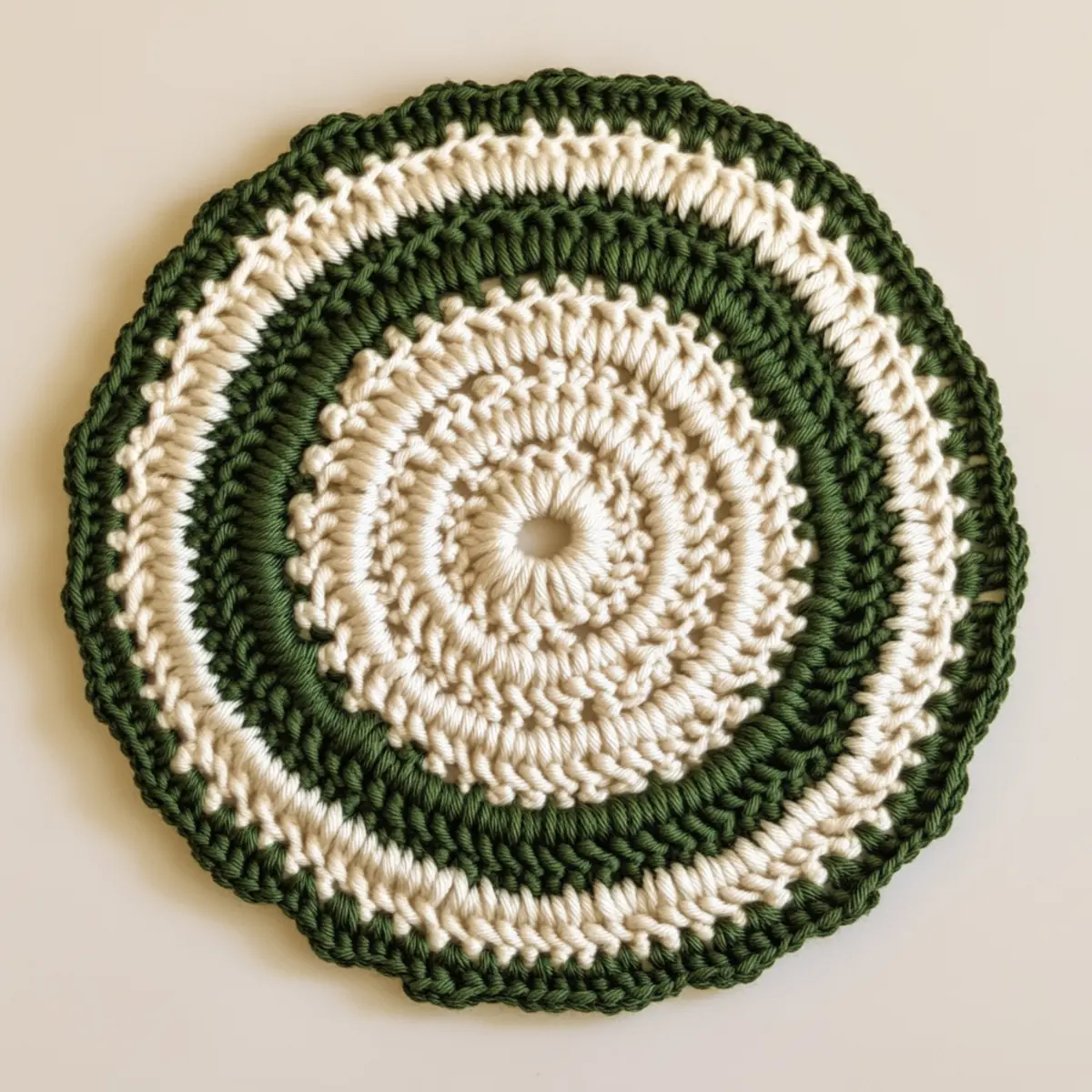
crochet coasters variations
Feel free to add your unique spin to these coasters!
- Yarn Type: Consider using cotton blends instead of pure cotton for added softness and durability. They offer different textures and can enhance the coasters’ aesthetic.
- Color Combinations: Play with contrasting colors or opt for monochrome schemes. For instance, using vibrant hues for one coaster and neutral shades for another can create a stunning visual.
- Size Adjustments: Experiment with different hook sizes to create larger or smaller coasters. A 6.0 mm hook will yield more substantial coasters perfect for high-end table settings.
- Layering Techniques: Instead of alternating dc with sc stitches, try using bobbles or popcorn stitches for added texture. This creates a delightful tactile quality that’s sure to impress.
- Edge Modifications: Instead of the standard scalloped border, try a simple double crochet border for a clean, modern look. This offers a polished finish and frames the coasters beautifully.
- Eco-Friendly Yarn: For a sustainable option, use bamboo or hemp yarn. Both alternatives provide durability while being kind to the environment, appealing to eco-conscious crafters.
- Personalized Touches: Using fabric paints or embroidery on the coasters adds a personal touch. Dots, stripes, or even monograms can elevate the coasters and make lovely gifts.
- Texture Swaps: Combine different stitch patterns such as shell stitches or lacework to create intricate designs. Daring textures give each coaster a unique flair.
Expert Tips for Crochet Coasters
Track Your Stitches: Use stitch markers to avoid losing count. It helps ensure even sizing across all coasters.
Keep Tension Consistent: Maintain even tension throughout your work. This avoids discrepancies in size and keeps your coasters looking professional.
Avoid Twisted Chains: Ensure your foundation chain isn’t twisted. A twisted chain can lead to uneven coasters and frustration during finishing.
Gauge Matters: Always check your gauge before starting. Adjust your hook size if your tension differs from the recommended 4×4 inches using worsted weight cotton.
Color Changes: When transitioning colors, do a slip stitch to match colors neatly. This results in a seamless appearance, making your crochet coasters visually appealing.
Finish with Care: Remember to block your coasters after finishing. It makes a big difference in achieving a polished look and proper sizing.
How to Wash and Care for Your Crochet Coasters
Machine Washing: Use a gentle cycle with cold water and mild detergent. Avoid harsh agitation to maintain the coasters’ shape.
Hand Washing: For best results, hand wash with lukewarm water and mild soap. Rinse thoroughly and avoid wringing to prevent deformation.
Drying: Lay coasters flat to dry. Avoid hanging them, as this can stretch the yarn. Blocking can enhance their shape.
Storage: Keep coasters away from direct sunlight to prevent fading. Store them flat or rolled up to avoid creasing or warping.
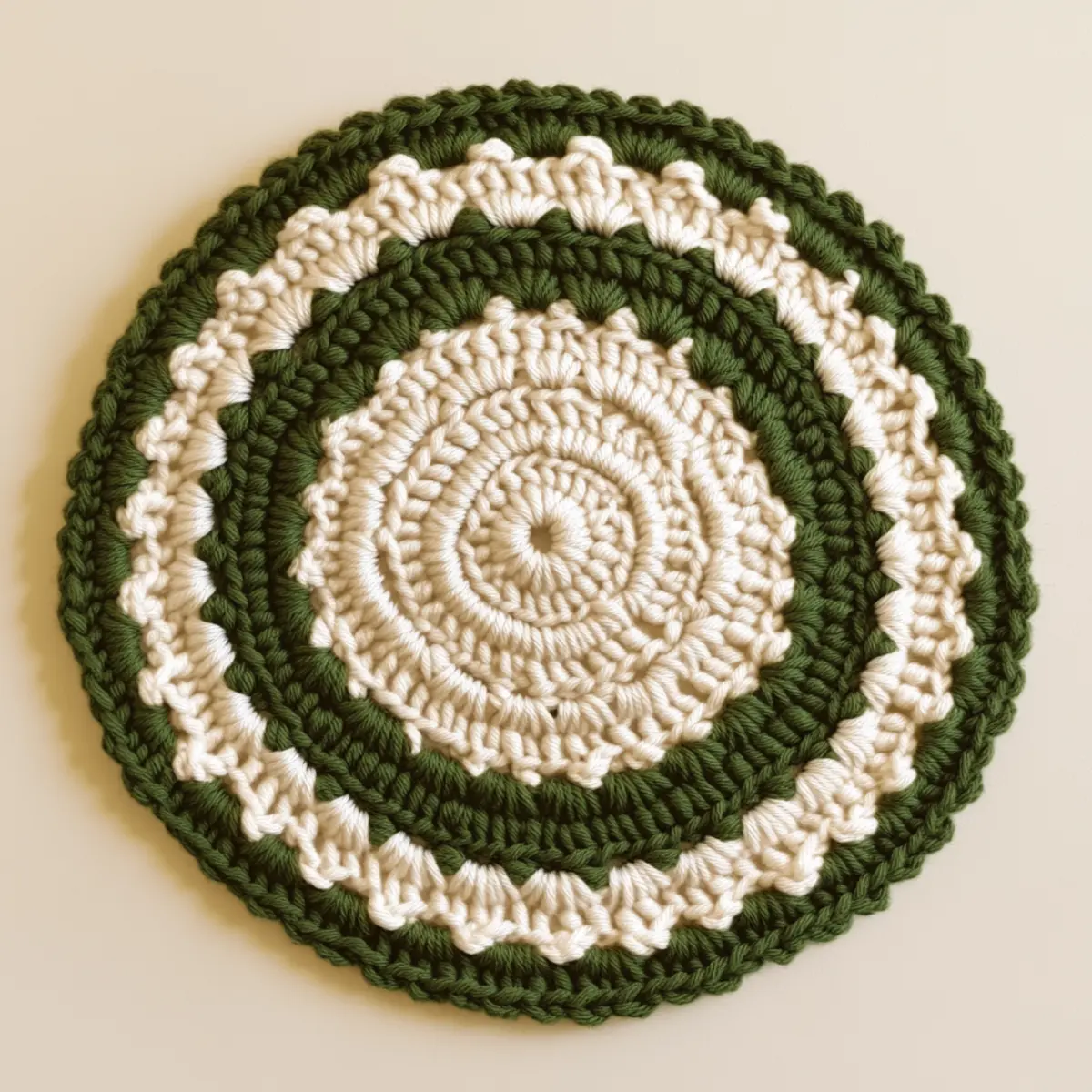
Crochet Coasters FAQs
What yarn can I use for crochet coasters?
Absolutely! Worsted weight cotton yarn is recommended for durability. However, you could also use bamboo blends for a more eco-friendly option.
Can I adjust the size of my crochet coasters?
Yes, you can adjust the size by changing your hook size or modifying the number of rounds. Just make sure to keep gauge in mind for consistent results.
What do I do if my coasters curl?
Don’t panic! This often happens if your tension is too tight or if your stitches are too loose. Blocking the coasters can help them lay flat.
What hook size should I use?
A 4.0 mm (G) or 5.0 mm (H) hook is ideal, depending on your tension. Experiment to find what works best for you.
How many coasters can I make with 100-150 yards of yarn?
You can generally make a set of two crochet coasters with that yardage. If you want more coasters, simply double your yardage!
What if I drop a stitch while crocheting?
It’s easy to fix! Just take a moment to locate the dropped stitch and use your crochet hook to pick it back up. Gauge can help identify issues too!
Leave a Reply